
What happens after the layoff grief? Building a new rhythm
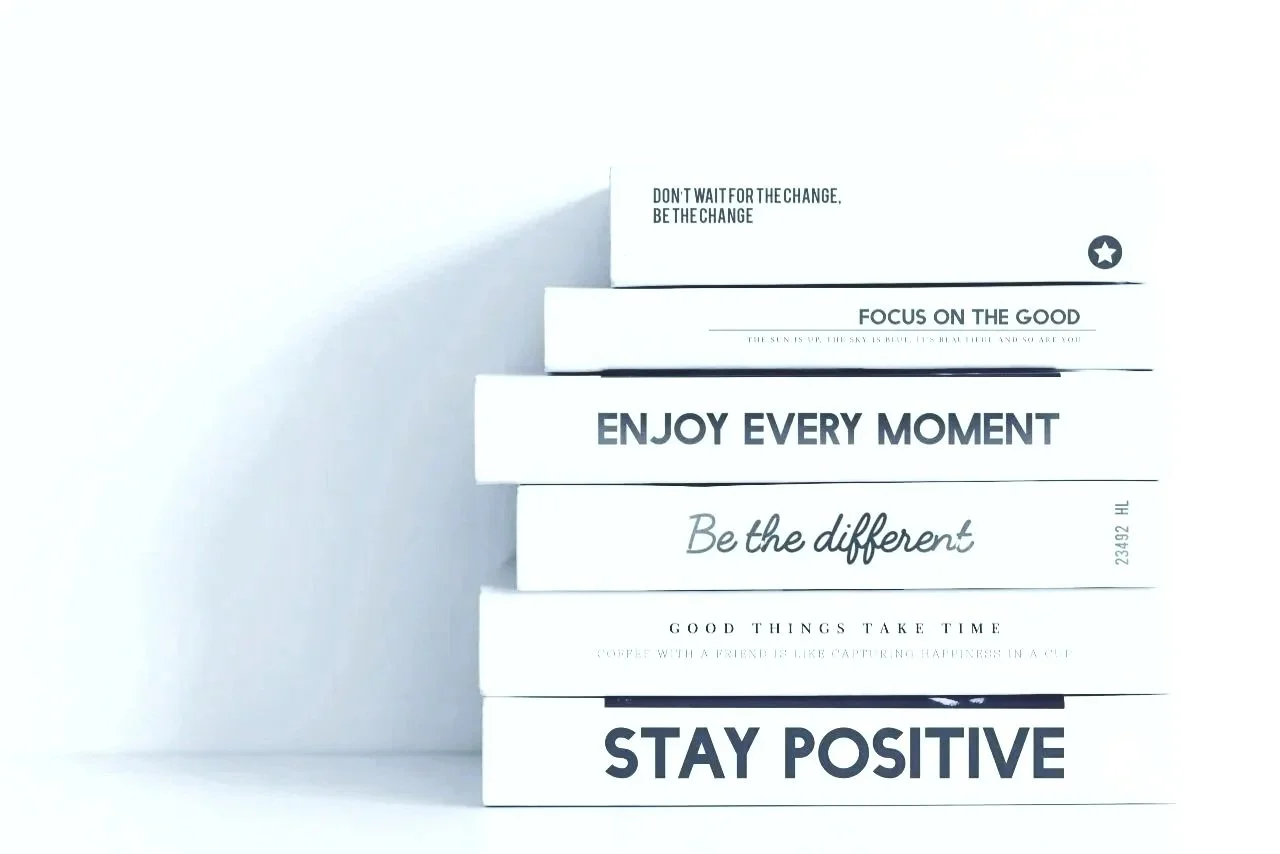
Stack of books with uplifting messages. | Photo by Unsplash+
It’s been three months since the layoff, and I’ve somewhat processed the grief and shock. So what happens after the initial processing? You’re left with this empty space where a defined identity – Editor, Writer, Colleague – once stood. Most people would dive straight into job searching or non-stop freelancing. My decision was different: I chose to buy time.
Thanks to personal savings and my husband’s support, I can afford to pause traditional client work. I’m not rushing to replace a job title.
Instead, I’m using this bridge period as an investment in myself – writing my own books (self-publishing, if needed), learning new skills, and doing some necessary life editing. My new rhythm isn’t defined by a single title anymore. It’s a balance between writer, mother, student, and home-organising enthusiast.
The creative core: Switching gears
For twenty years, I wrote for other people. Now, my time belongs to my two great creative loves: children’s picture books and contemporary romance. I have some fun, maybe crazy ideas that I am excited to share.
Writing children’s books is about using simple language and expressing feelings clearly and directly. Then I switch to romance, where I can explore deeper emotions. Alternating between the sweet and the steamy, the concise and the descriptive ensures that when I return to either project, my creative battery is fully charged.
In other words, when I get sick of writing about adults lusting for each other, I switch to children’s stories for some innocence.
The anchor: Scheduling around what matters
The discipline in my old corporate life was rigid deadlines. The discipline in my new life is a school bell. The highest-value task of my day – the one that isn’t negotiable – is being present for my 10-year-old son when school ends. This is a true gift of time I couldn’t afford before.
I use my mornings with purpose, planning everything around when school ends.
This focus extends beyond my desk. I’ve been applying an editor’s eye to my home life, editing in ways that clear mental clutter. There are small wins (goodbye to the chaotic plastic cutlery drawer and the chilli sauce sachet collection) and harder ones: my book collection is facing a reckoning. The biggest project looms ahead: donating the last baby items and transforming his room into a teenager’s.
Learning, earning, and investing in myself
In an unexpected turn, I’m now helping my husband’s business as a part-time telemarketer.
Here’s something I hadn’t fully processed until I started making cold calls: besides my immediate family and two close friends, I barely have sustained conversations with other adults anymore.
Sure, I chat with cab drivers and retail staff, but those are brief, transactional exchanges. So the sudden need to actually engage with strangers on the phone – dozens of them, every day, having real conversations where I had to persuade, adapt, and handle rejection – brought an unexpected wave of social anxiety.
As a writer, I persuade with words on a page; as a telemarketer, I have to use my voice – and I have seconds, not hours, to make my point.
It’s been a crash course in real-time communication. I was too formal, almost cold. The breakthrough came when I realised I couldn’t use one voice for every call. I needed to listen actively and adjust: know when to speak fast or slow down, when to sound businesslike or friendlier.
The constant rejection has been humbling, but it’s sharpening unexpected skills: thinking on my feet, adapting mid-conversation, staying resilient.
This experience also enriched my writing, helping me create more distinct voices for my characters.
Beyond telemarketing, I’m trying to do more for my health. I’m seeing a fitness trainer regularly – something I never made time for before. I’m reading books about writing books, taking online courses on writing and social media strategy, and building my author platforms for both author personas, Wu Shimin and Mongsy.
Still figuring it out
The biggest lesson from these three months? My identity was never just a job title.
For years, I’ve identified as a writer and editor first – before parent, before daughter, before wife. If you stripped away all my roles, my soul would still be a writer, a storyteller. That identity felt central, especially after overcoming imposter syndrome. But this pause has shown me something unexpected.
I’m no less of a writer because I’m also doing telemarketing, reorganising drawers, or being present when my son gets home. These roles don’t dilute my identity – they enrich it. They remind me I’m more than my professional self, and that makes me a better writer. Every organised drawer, every finished chapter, every small win builds not just my career, but my whole life. That’s the insight I hold onto on the harder days.
Don’t get me wrong – there have been plenty of mornings when uncertainty felt bigger than ambition, when I questioned whether this path made any sense. But those doubts have been part of the process, not a sign I’m doing it wrong.
This new rhythm is messy: I’m a writer working on passion projects, a mother at the school gate, a declutterer letting go of the past, and someone learning to handle rejection over the phone. I’m still figuring it out, and that’s what makes this period feel so alive.
The goal isn’t perfect balance. It’s recognising that life isn’t compartmentalised. I’m not trying to find a new job title to replace the old one. I’m building something more integrated – a life where every role feeds the others, and adds up to something more substantial than any single professional identity ever was.
