
The tropical traveller’s guide to packing for cool weather
Photo by Wang Binghua on Unsplash
The first time I packed for a cool-weather trip, I was overwhelmed. Coming from Singapore, anything below 20°C felt like uncharted territory.
How cold is 9°C, really?
Is one jacket enough?
What type of jacket?
What if I don’t bring enough?
What I didn’t realise then is this: while 9°C and 18°C look very different on paper, the difference in what you wear is actually minimal.
It’s all in layering – and small things like heat packs.
Once you understand that, packing becomes much simpler.
After several trips, namely to Tokyo, Osaka, Okinawa, Chengdu, Taiwan, Paris and London, and some trial and error, here’s what I've learnt about packing for cool to mild weather (roughly 9–18°C, little to no snow) – especially when travelling as a family from the tropics.
Before you even open your suitcase: The family packing strategy
If you’re travelling as a family, don’t pack by person. Pack across different luggage.
Instead of:
Luggage A → all adult clothes
Luggage B → all kids’ clothes
Do this:
Each suitcase contains some clothes for each person.
So if one bag goes missing, no one is left with nothing.
What to bring on the plane (carry-on essentials)
This is less about comfort, more about insurance.
If your luggage gets delayed, this is what saves you.
One full change of clothes per person: One wool sweater, one pair of thermal tops and bottoms, underwear, and wool socks. I like to pack these in a travel vacuum bag to optimise space in the backpack.
One face towel
Basic toiletries: mouthwash, face wash, do-it-all moisturiser (like Embryolisse Lait-Crème Fluid; any face moisturiser can be used on the body, but not the other way round). Just one person in the group needs to bring this.
Any essential medications: Especially for kids – cough syrup, vomiting meds, fever meds (and thermometer), antiseptic creams, antihistamines, anti-diarrhoea meds, plasters, etc.
For dizziness: A non-medicated nasal stick like Vicks VapoInhaler, or a medicated oil/ointment such as Siang Pure Balm or Tiger Balm.
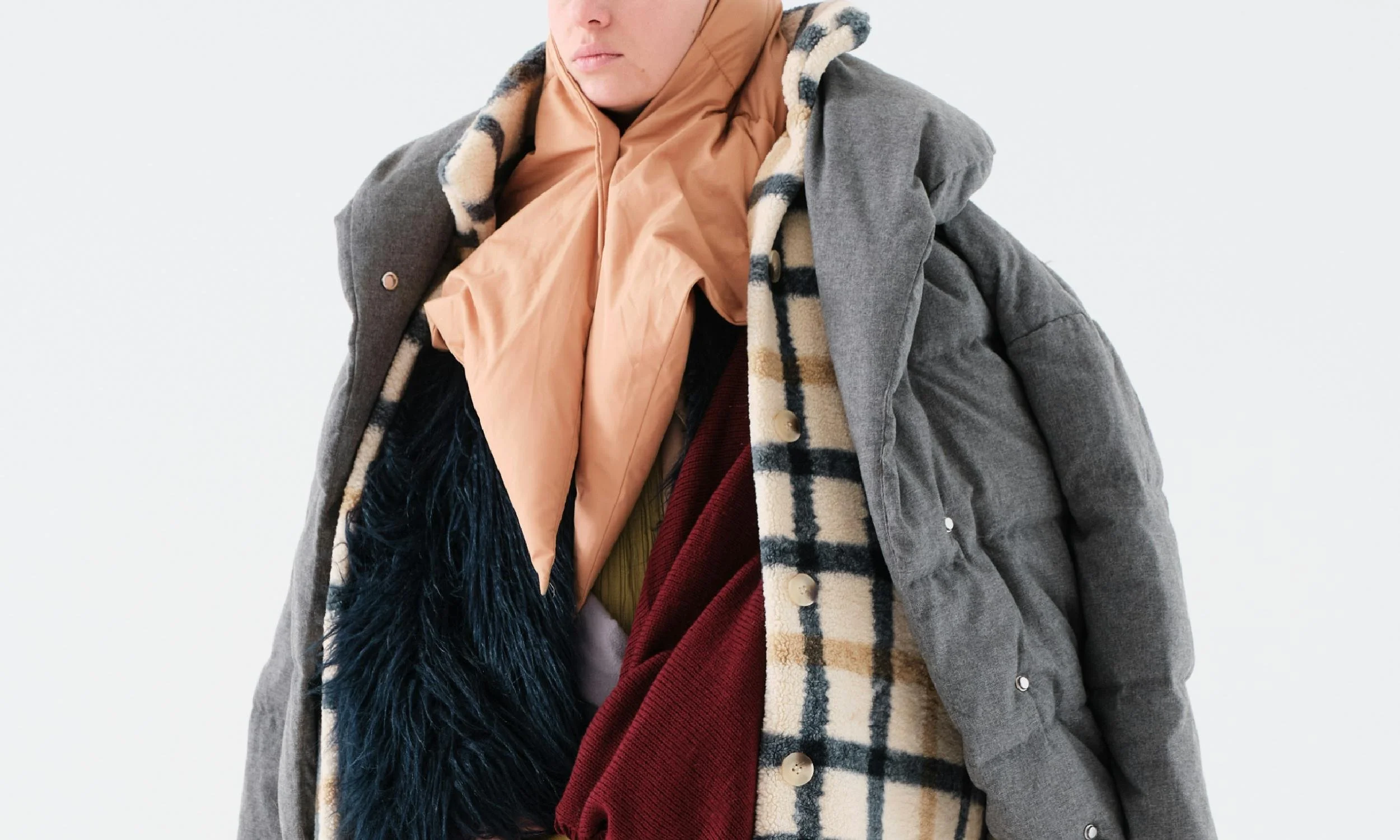
Photo by Andrej Lišakov on Unsplash
Clothes: You need less than you think
For 9–18°C weather, you’re not dressing for survival.
You’re dressing for layers and wind.
Thermal wear, scarf, beanie (non-negotiable)
Always wear thermal wear.
You can choose:
cashmere versions (more expensive and suitable for all weathers)
or options like Uniqlo Heattech (in doubt, go for the warmer ones)
Also:
A scarf and a beanie are non-negotiable.
You may or may not need gloves, but bring them along anyway. They don’t take up much space.
These are important against cold wind.
Don’t underestimate winter wind.
It can feel lovely at first (especially coming from the tropics), but it’s deceptively harsh. I caught a cough in Tokyo in December because of the winter wind. I’d skipped the scarf. Big mistake.
Thermal wear is also very practical:
You can use it as pyjamas
and rewear it for a few days
You don’t usually sweat much in cooler weather, so there’s no need to pack too many sets. E.g. 4 sets for 7 days.
Winter jackets
One good jacket per person is enough. You will find a greater variety of winter jackets when shopping in winter countries.
A quick note on jacket types:
Very cold, dry climates: Go for a nylon or polyester shell with down insulation. Down traps heat exceptionally well and stays lightweight, making it ideal when you’re not dealing with rain or heavy moisture.
Wet, active winters: Choose a technical shell with synthetic insulation, and layer a fleece or wool liner underneath. Unlike down, synthetic insulation holds its warmth even when damp, which matters more than you think on a rainy day of sightseeing.
When in doubt, check the forecast before you pack – not just the temperature, but whether it rains. For budget options, check out Decathlon and Uniqlo. For fancier choices, go to TheOutnet.com. I also like Bimba Y Lola and COS – check out their sales items.
Sweaters / Layers
2–3 sweaters are plenty. You can wear each one 2–3 times without washing. The thinner the sweater, the easier it is to pack – keep that in mind when choosing. If you want to change up your look, bring a few scarves.
Fancy cute sweaters for kids? Check out Boden.
Bottoms
2 pairs of pants per person: That’s usually enough unless you spill something (rare, but never say never).
You don’t have to buy wool ones or those with fleece lining until you’re heading into the winter holidays or a very cold place like Harbin. You can just wear your regular jeans or pants. If you feel cold, wear thermal bottoms underneath.
You can also wear a thick skirt, like corduroy or wool, with Heattech tights underneath. Cotton skirts are fine, but your legs can get cold if there’s strong wind.
Wool socks
Bring more than you think: Ideally, one pair per day if you’re not planning to do laundry. They’re harder to dry and less comfortable to re-wear. Uniqlo has Heattech socks, which are perfect.
Underwear
Dries quickly (usually overnight or within 1–2 days). These are so thin, I would usually pack like 5 for 7 days.
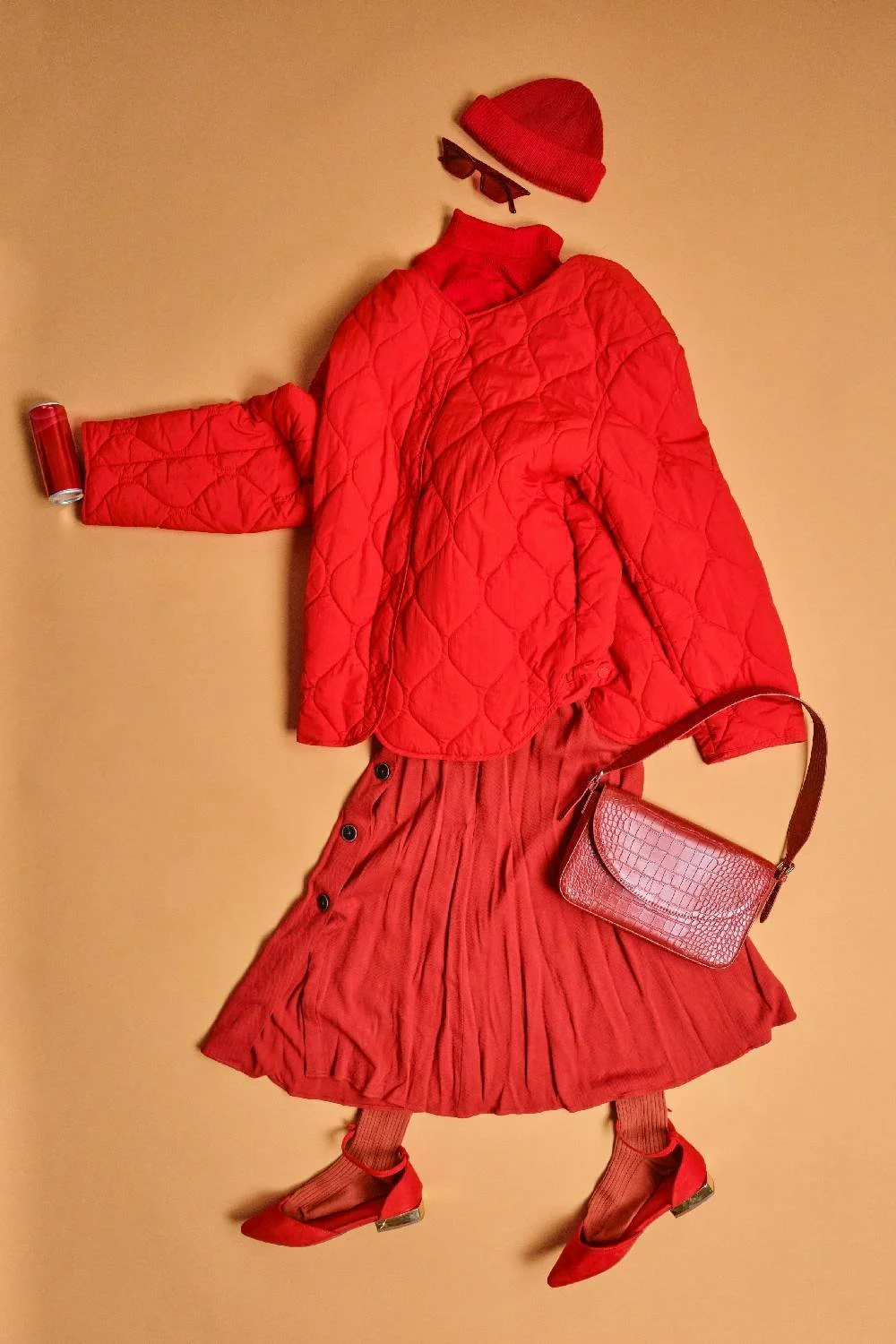
Photo by Andrej Lišakov on Unsplash
What to wear: A simple formula
Option 1:
Thermal top and bottom + wool sweater + cotton/wool bottoms + winter jacket
Option 2:
Thermal top and bottom + long-sleeved shirt + thin cashmere sweater + cotton/wool bottoms + winter jacket
The thickness of your sweater depends on your comfort level. The thinner, the easier to pack.
For Kids: Pack smart, not more
Kids grow quickly, and most families don’t take multiple winter holidays a year. Buy secondhand wool sweaters where possible, and size up slightly – but not so oversized that they lose the warmth.
And don't skip gloves. They may seem like a small thing, but they’re not.
Shoes: Comfort over everything
If you’re visiting cities:
Prioritise comfort. Choose walking or running shoes.
Not the showy sneakers – not great for long distance, I promise you.
Even in rainy cities like London:
Waterproof leather shoes are not essential.
If you are off to the snow slopes, you will need waterproof boots.
Also:
Don’t pack slippers – you likely won’t use them
Fluffy room socks (like Muji’s) are perfect for use in hotel rooms
The jacket-packing hack that makes arrival so much easier
You don’t need to pack your winter jacket into your carry-on.
Once I’ve packed and strapped down everything in my check-in luggage, I take my jacket and lay it flat across both sides of the suitcase right before closing it.
So when I arrive, I don’t have to:
Open the entire luggage
undo all the straps
dig through layers of clothes
I can just unzip the suitcase halfway and pull the jacket out immediately.
It sounds like a small thing, but after a long flight – especially when you land in cooler weather – it makes a big difference.
Toiletries and personal care
What to skip (if you’re not fussy): shampoo and body wash. Hotels almost always provide them. If not, grab some from a nearby convenience store.
What to bring:
Skincare you rely on, plus body lotion or face cream (I use Clinique Moisture Surge 100H Auto-replenishing Hydrator) for dry weather. Even if you don’t usually use it (like my husband and son), you’ll want it when your skin starts drying out.
Some that work well: Curel Powder-in-Balm, Embryolisse Lait-Crème Fluid, and a leave-on mask like Clinique Moisture Surge Overnight Mask before bed.
Hair care
If your hair is fragile, bleached, or prone to dryness, bring a hair mask you already use – I like the Fino Premium Touch Hair Mask. In places like London, the water is hard (high in minerals), which can cause dryness, brittleness, and breakage. My hair broke when I didn’t prepare for this.
Laundry
If you plan to wash clothes in your hotel room, bring a small bottle of wool detergent – it’s gentle enough for wool and works on most other fabrics, so one bottle covers everything.
If you’re planning a laundromat run, pack a large reusable bag (an IKEA blue bag works perfectly) to haul your clothes there and back. And regardless of your laundry plan, bring a few laundry bags to separate dirty clothes you didn’t get to wash, so they’re not loose in your suitcase on the way home.
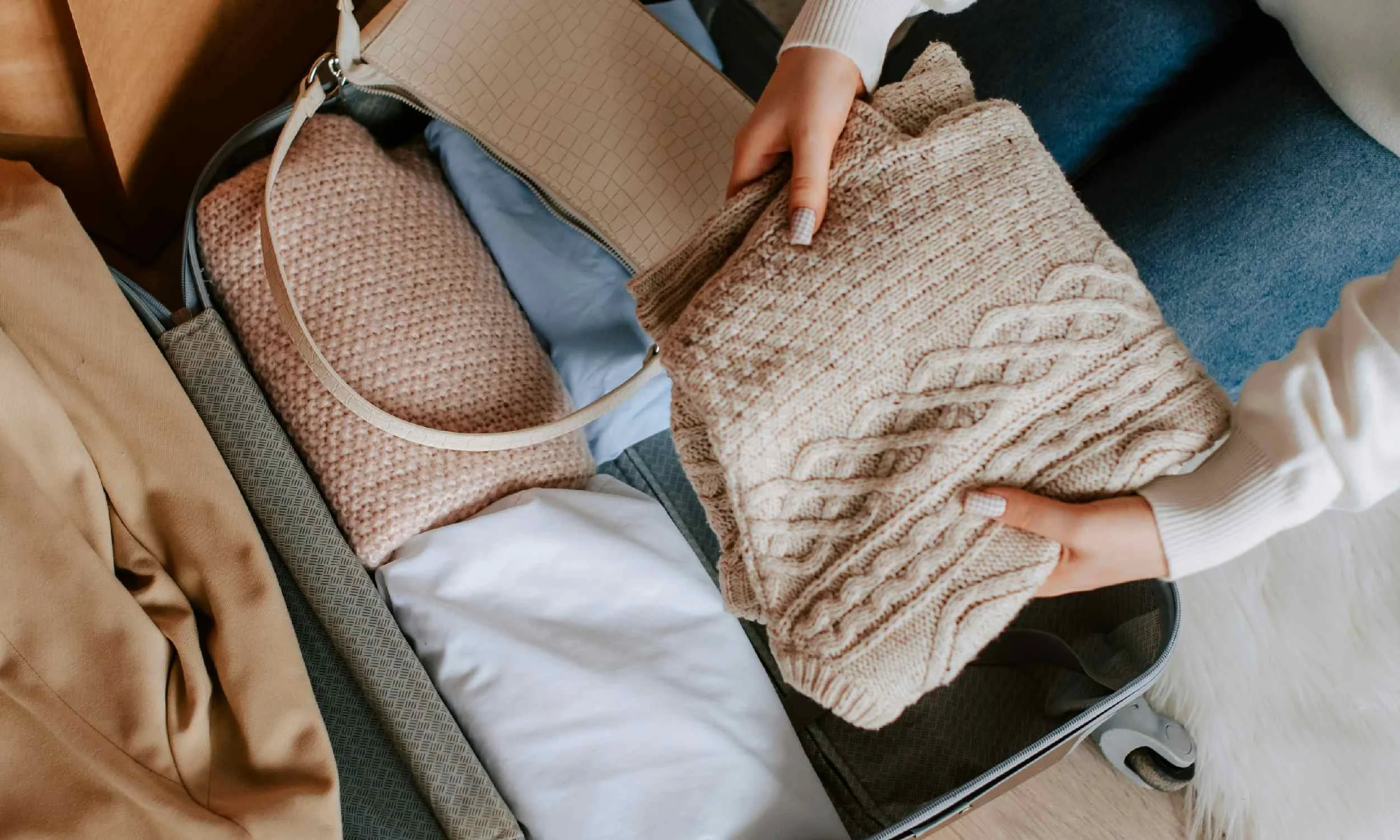
Photo by Kateryna Hliznitsova on Unsplash
Our everything-else-worth-packing list
A crossbody sling bag with enough room for your essentials – smartphone, passports, wallet, keys, a tissue pack, a pen, and heat packs. When you’re bundled up in layers and juggling kids, having quick-grab access to documents and small items without taking off your backpack is a quiet game-changer. Be sensible about it too – choose one with a zipper, especially in high-pickpocket cities like Paris and Barcelona.
Heat packs come in handy, especially in the evenings when the weather gets cooler and usually windier.
Tech: Travel adapters, phone charging cables, and a small extension cord. Yes, you know. And yet. Hotel rooms have a way of placing their sockets in the most inconvenient spots – behind the bed, beside the floor, nowhere near where you actually want to sit. A small extension cord solves this.
Fresh feet: Foot powder or spray – helps with odour after long walking days (we like the ones from Neat Feet)
Alcohol wipes to sanitise surfaces, and water wipes to refresh skin
Tissues: Bring enough for 1–2 days; buy more there
Foldable umbrella + a ziplock bag so you can store it wet in your backpack
Extra plastic bags: You’ll always need them (e.g. to keep dirty socks separated from dirty clothes in the luggage)
Foldable travel clothes hangers: For when you need to hang your washed underwear, and when you want to hang out your clothing, especially for longer stays
Metal cups: A lightweight metal cup is much easier to use than the ceramic ones found in hotel rooms. A must-pack for elderly travellers.
Dish soap and a small sponge, especially for longer trips where you want to wash crockery
Photocopies of passports for all travellers, one set per backpack, with a contact number and the address of your home country embassy (in case a passport is lost)
Earplugs, eye mask, anything small that helps you sleep better
For restricted items (scissors, lighters, hairspray): Pack them in a ziplock bag and place it in your luggage near the zipper, so you can easily access them after baggage claim.
Two practical things people often forget
Check the voltage before you pack that hairdryer. I brought my Dyson to Japan once. Couldn’t use it. (I booked a hotel in Osaka with a Dyson hairdryer in every room, and I loved it!)
Everyone should bring a backpack. It keeps your hands free, lets you carry essentials easily, and gives you somewhere to stash your jacket when you’re indoors. Very useful when restaurants don’t have coat hooks.
Leave space in your luggage
You don’t need to fill your luggage before you leave. You’ll likely buy things along the way – snacks, gifts, an extra layer you didn’t expect to need. Packing lighter gives you that flexibility and, honestly, makes the whole trip feel lighter from the start. I like to pack two empty duffel bags in case I’m buying snacks.
The real rule of packing
You don’t need to prepare for everything. You just need enough to stay comfortable and enough to handle small disruptions.
Everything else, you’ll figure out when you get there.
