
My friend Carys doesn’t travel like I do
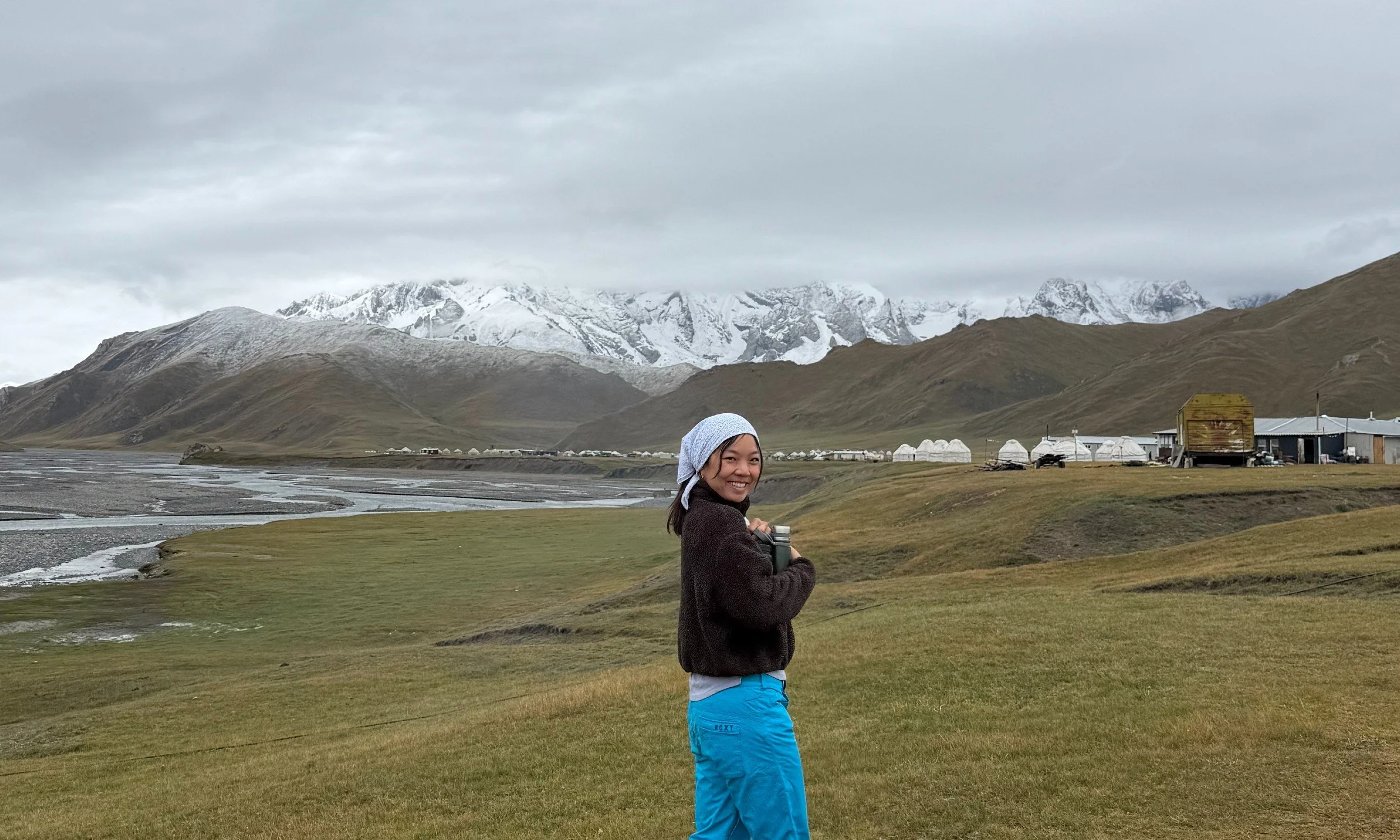
Carys posing in front of Tian Shan Mountains, Kyrgyzstan | Photo by Carys Chua
When I travel, I bring instant cup noodles.
I don’t just pack one emergency cup and forget about it. I bring several, always in my favourite flavour. Even when I travel thousands of kilometres from Singapore, I still want the comfort of something familiar to eat (like when I started craving Asian food after three days in Gold Coast and spent S$15 on Asian fried rice).
Hello, Carys
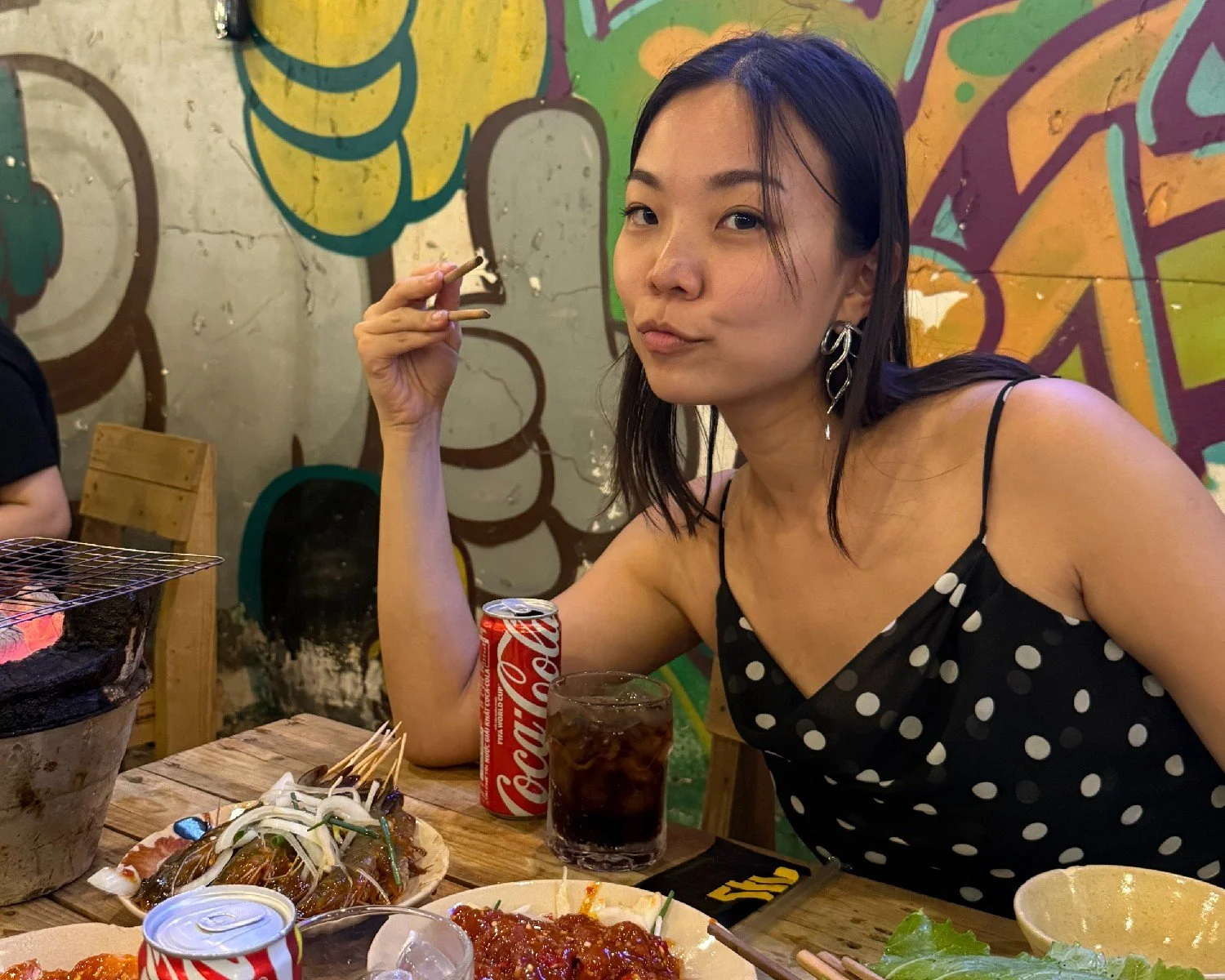
Carys enjoying Vietnamese BBQ | Photo by Carys Chua
My friend Carys Chua is not that kind of traveller.
Carys eats whatever is available and follows where the locals go. She loves nature and seeks experiences most tourists might miss.
I’ve known Carys since we worked together at Michael Page, and I’ve always been excited to hear her travel stories.
She has travelled across much of Asia and, more recently, South America. Some of her favourite places are Sequoia National Park in California, Oaxaca in Mexico, Quito in Ecuador, and Cusco in Peru. She’s visited the popular tourist spots too, but those aren’t usually the stories she shares.
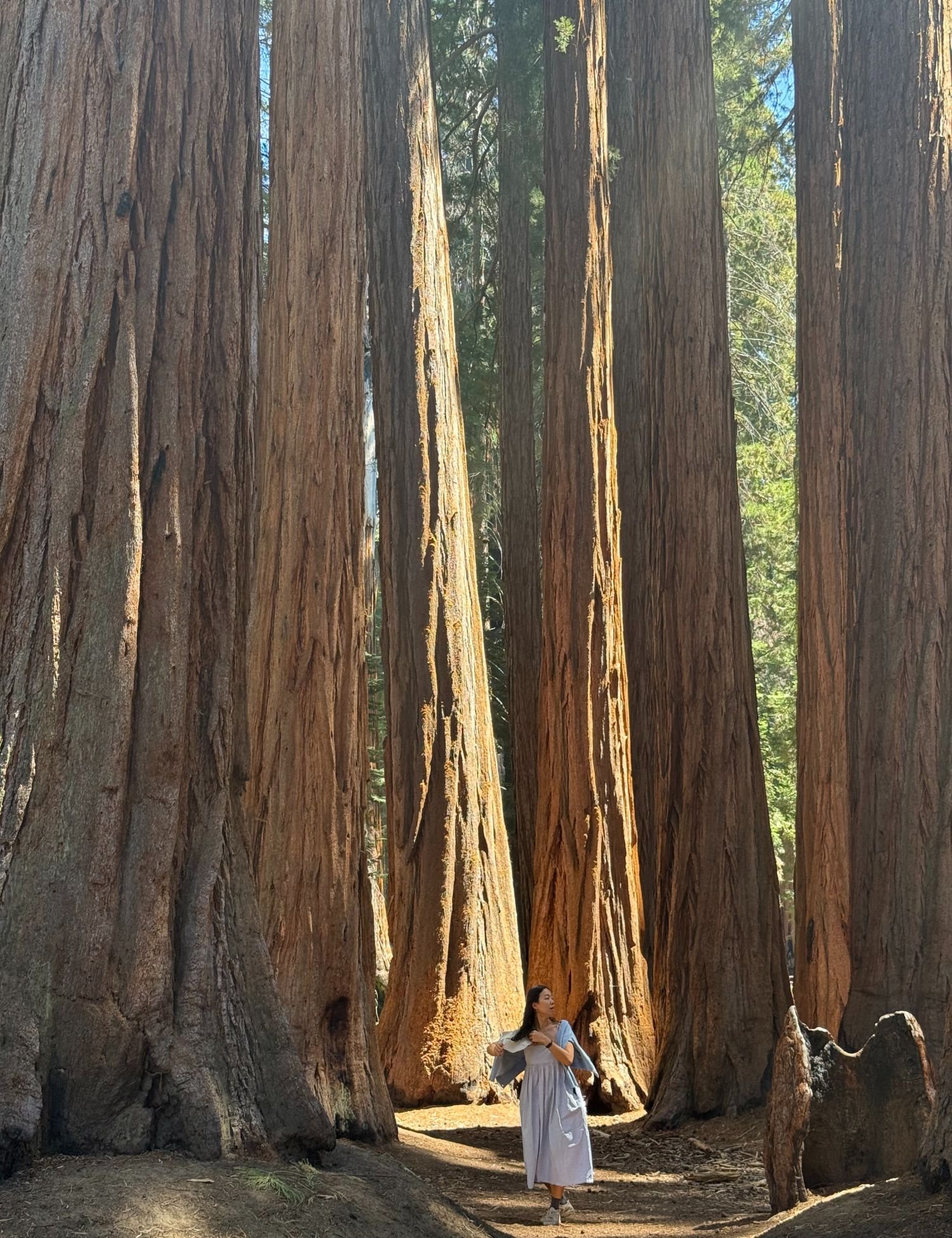
Carys meeting the giant sequoia trees at Sequoia National Park in California | Photo by Carys Chua
She remembers the people.
In Central Asia, a guesthouse owner once gave her a big jar of homemade apricot jam and wouldn’t accept any payment. It was a small gesture, but it stuck with her.
Out of all the places she’s visited, Central Asia seems to have left the biggest impression on her.
“I would even consider living there,” she told me.
She says the region is much more modern and developed than most people think, even though much of it is still mountainous. To her, Central Asia feels peaceful, stable, and very underrated.
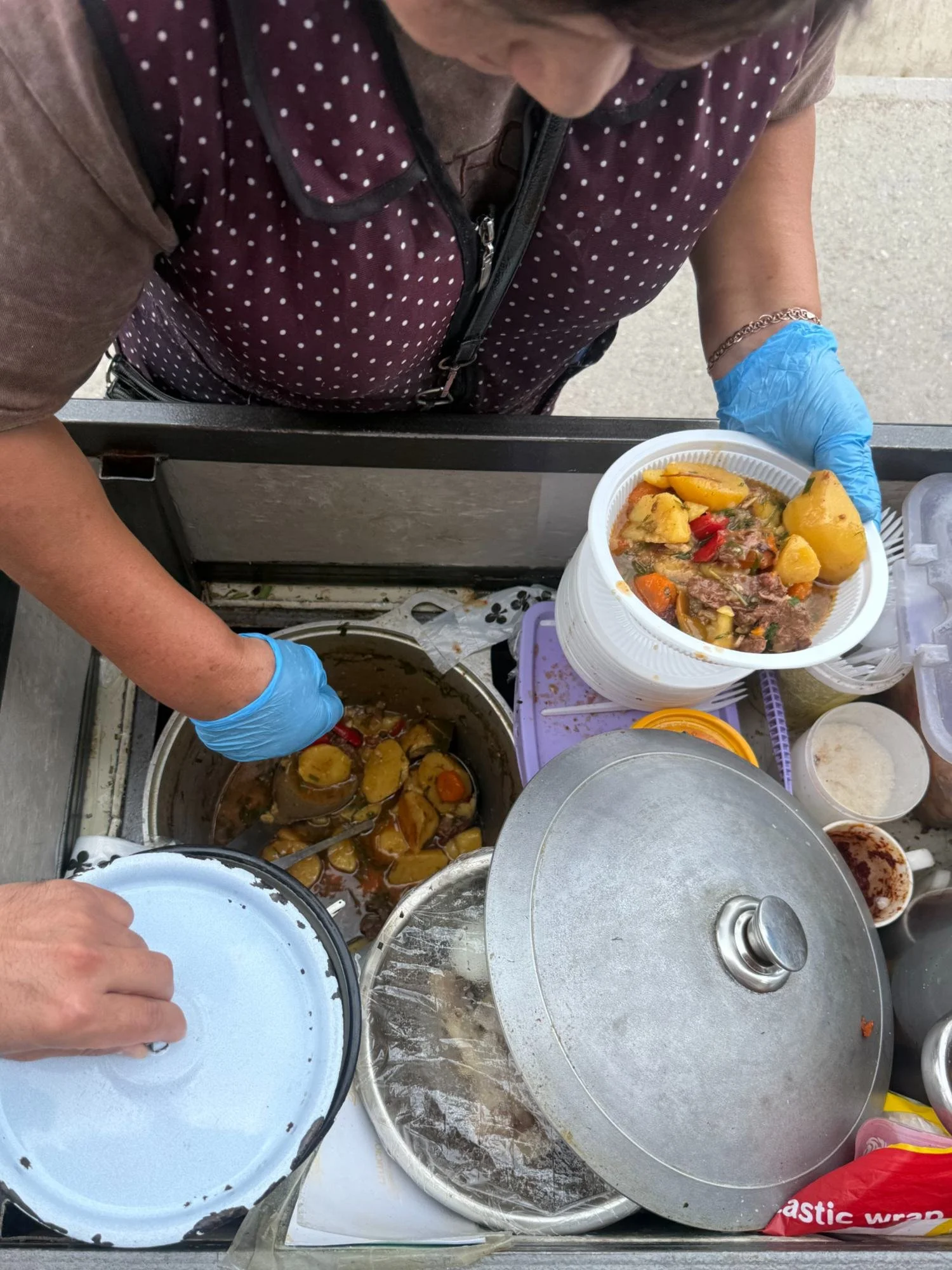
Food cart in Kyrgyzstan | Photo by Carys Chua
When friends and family ask about her trips, she often wants to set the record straight about what it’s really like.
“I feel like I have a need to share that it’s really not what they think it is,” she told me. “I sincerely wish more people would visit these countries even if they’re not signing up for my tour.”
The tour she is referring to is part of a business Carys never expected to start.
When an independent traveller needed a tour
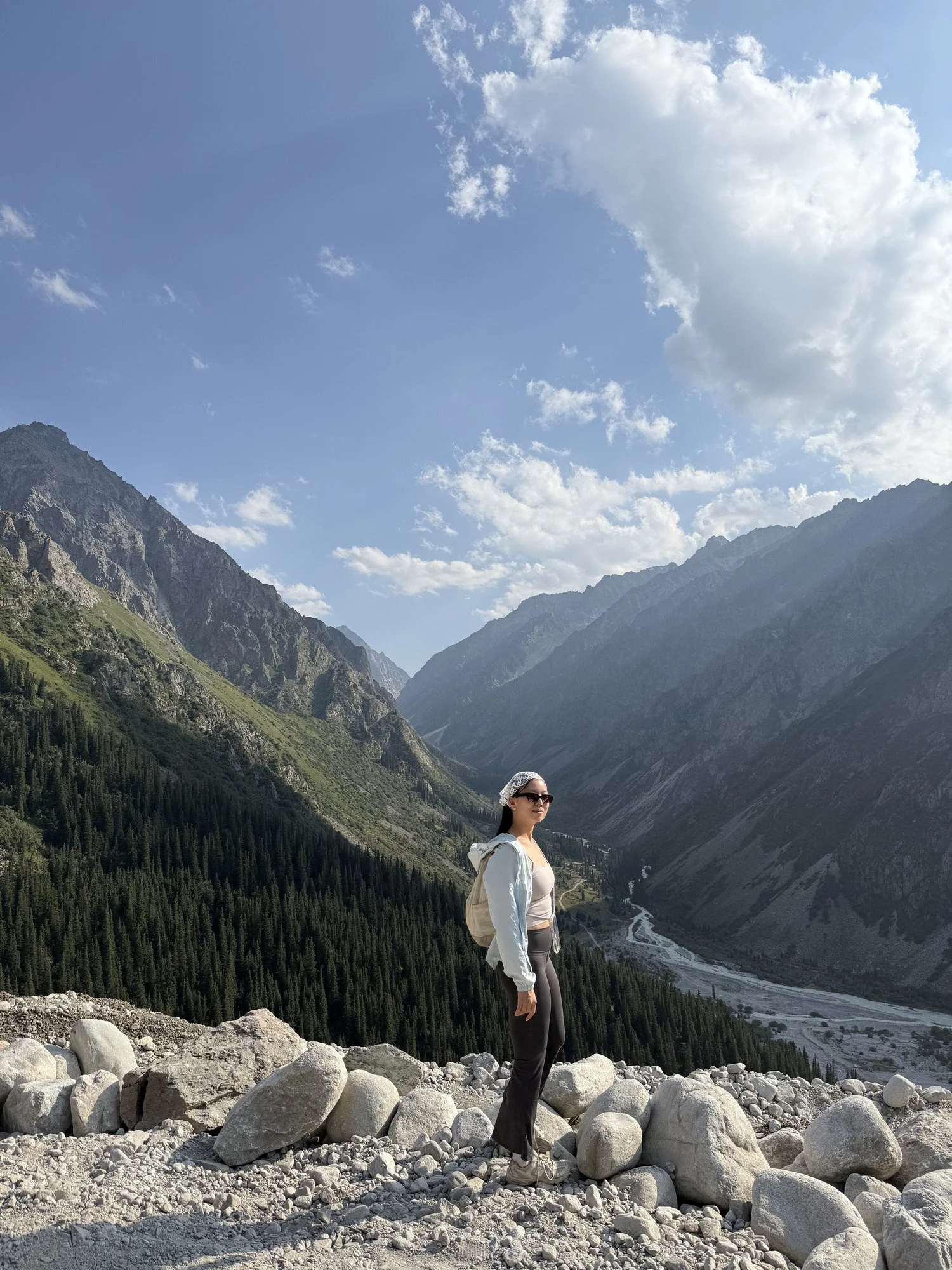
Ala Archa National Park in Kyrgyzstan | Photo by Carys Chua
Carys has always considered herself an independent traveller. She doesn’t usually sign up for tours.
Central Asia proved different.
When she went to Kyrgyzstan, she found that tourists could get to the main attractions on their own, but going further was much harder. Language was sometimes a problem, and tourist infrastructure was limited, especially outside the main areas. Some places she wanted to visit were remote and hard for foreigners to reach on their own.
For someone who likes to experience a country’s less touristy side, this was a challenge.
“You can get to major attractions, but without a guide, it’s almost impossible to experience the most authentic and beautiful sights in the region,” she said.
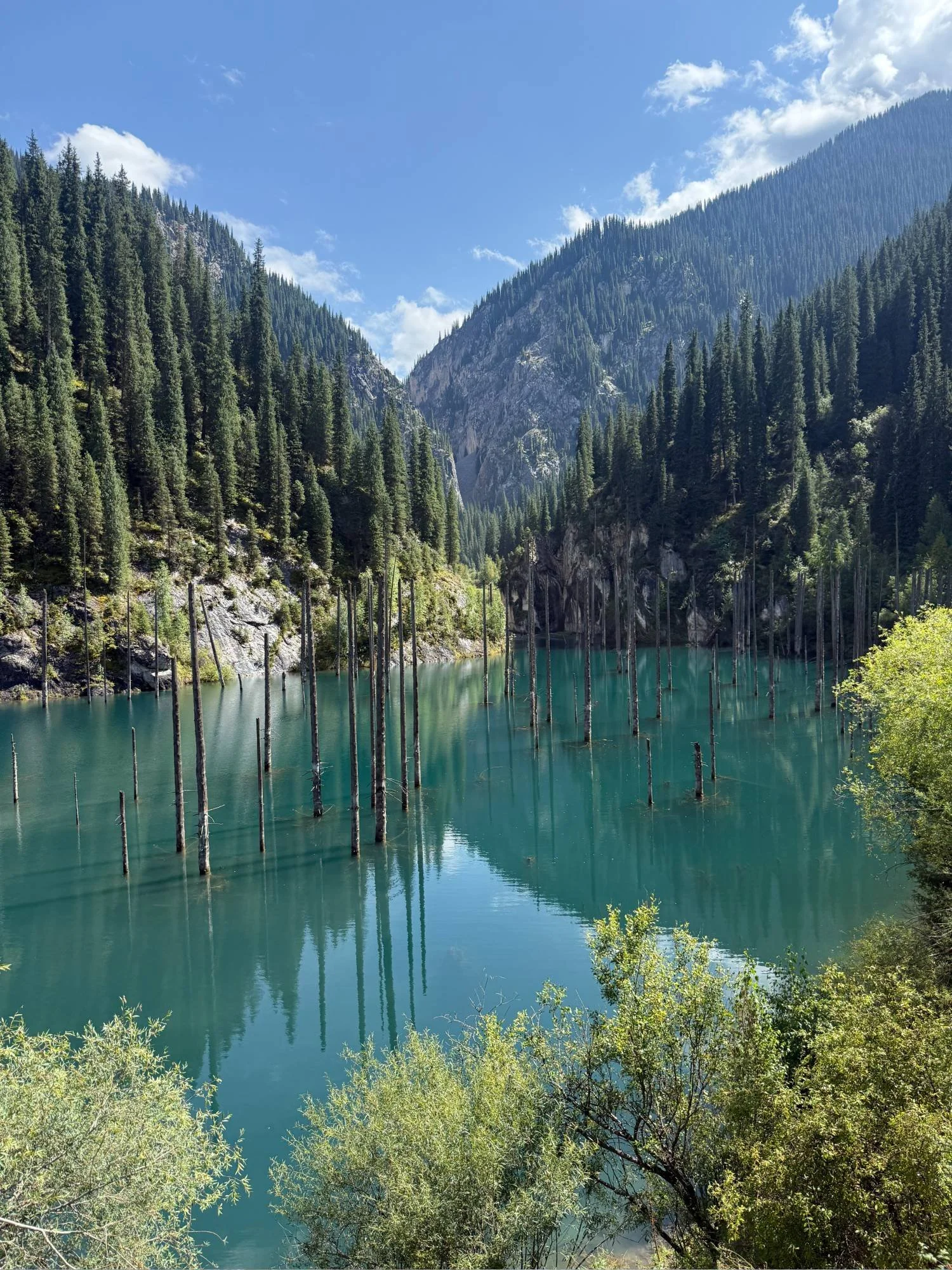
Lake Kaindy, an alpine lake, in the Tian Shan mountains of Kazakhstan | Photo by Carys Chua
There’s something a bit ironic about that.
One of the most independent travellers I know ended up building a business in the one place where she realised she couldn’t always travel on her own.
The idea wasn’t immediate.
After being retrenched, Carys returned to Singapore and took on contract work. She spent months researching the travel market and visited NATAS to see what established agencies were offering.
She noticed that many Central Asian tours only ran if enough people signed up. Sometimes you needed 10 or 15 travellers before a trip was confirmed, and if not enough joined, the trip could be cancelled.
Carys quickly understood why this was a problem for people with regular office jobs.
People often book their annual leave months ahead. If a tour gets cancelled just two weeks before, it’s a big problem, especially if you’ve already planned your year around it.
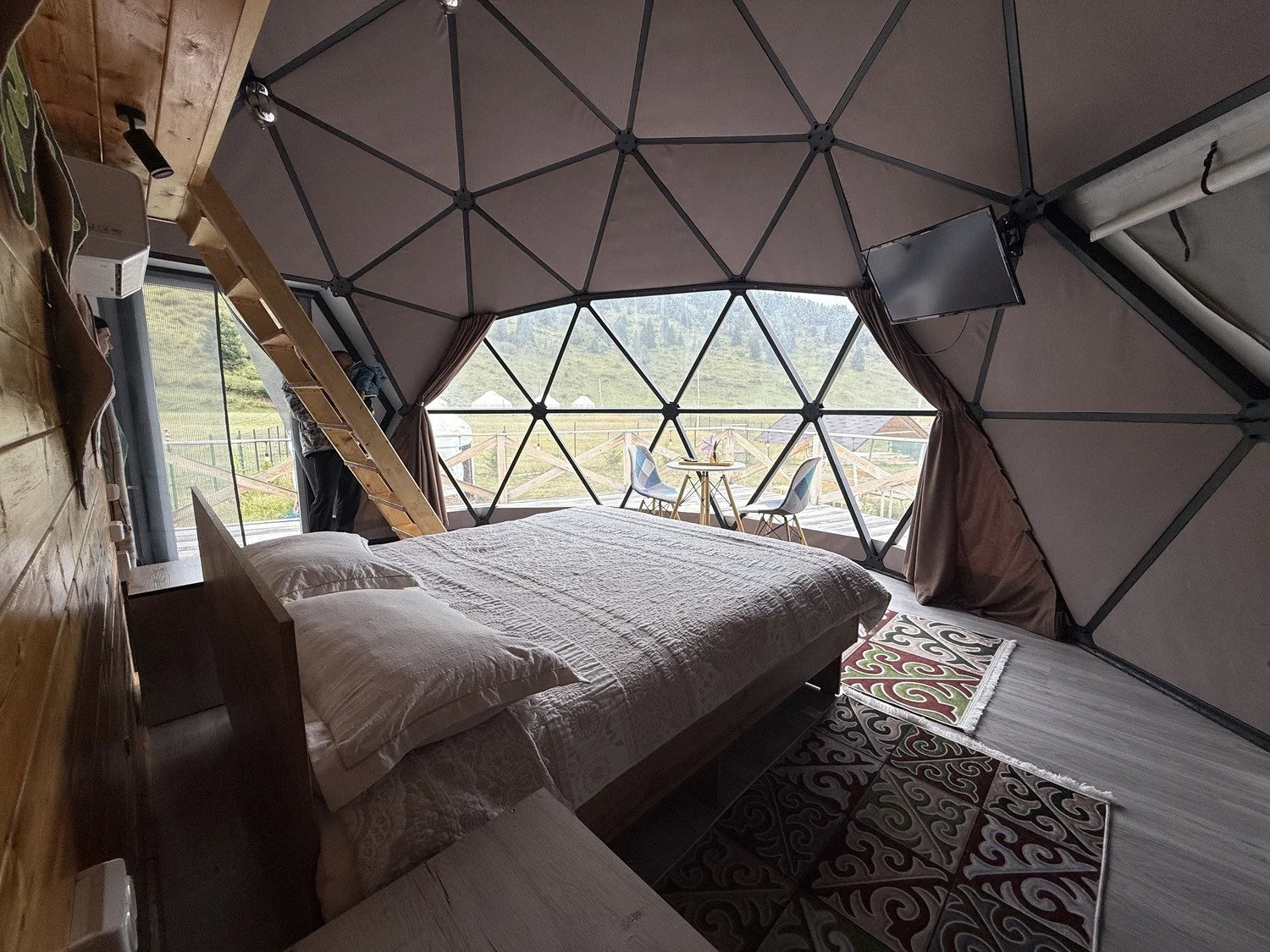
Glamping in Kyrgyzstan | Photo by Carys Chua
She also saw that Central Asia was often marketed as an adventure destination.
Multi-day hikes. Tents. Physically demanding experiences.
“But honestly, most Singaporeans aren’t,” she joked, talking about whether travellers are really ready for that kind of adventure.
Carys wondered whether there was a middle ground.
Someone who wants to see the mountains and landscapes, is curious enough to try somewhere new, but still wants a private toilet at the end of the day.
In other words, someone a bit more adventurous than me, but not as adventurous as Carys.
Building something around the way she sees travel
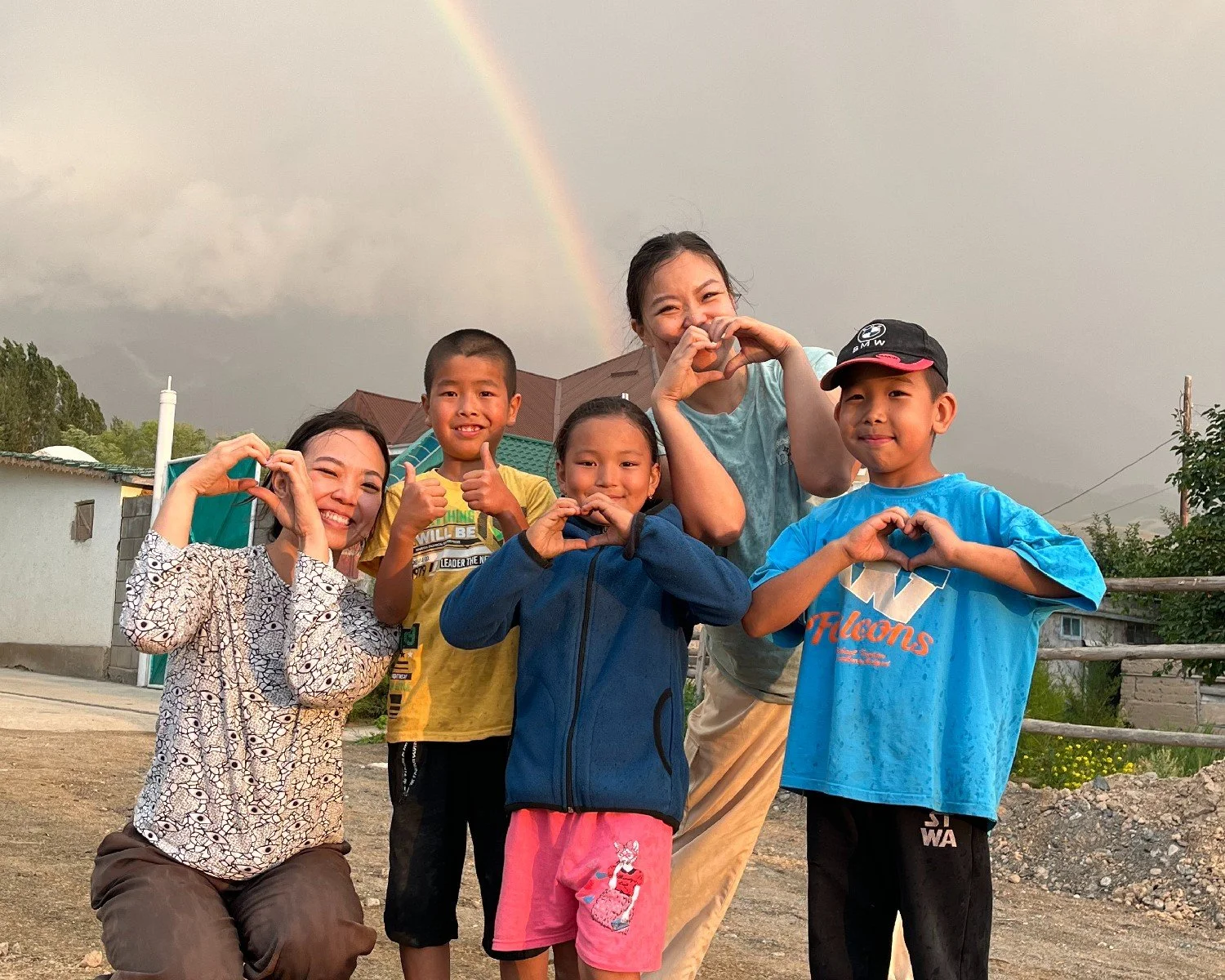
Carys and her sister with some kids in Kyrgyzstan | Photo by Carys Chua
Carys started working with people she met in Kyrgyzstan and eventually launched Silk Road Holiday. She focused on private trips in Central Asia instead of fixed group tours.
She soft-launched the idea in 2025 with a company in Kyrgyzstan, testing whether Singapore travellers were interested before launching her own business here.
By January 2026, she was running her own business in Singapore.
At first, Carys didn’t even know who her customers would be.
She initially thought her customers would be travellers in their 30s.
Instead, she started attracting travellers in their 40s, 50s, and 60s. They wanted to see new places without roughing it out.
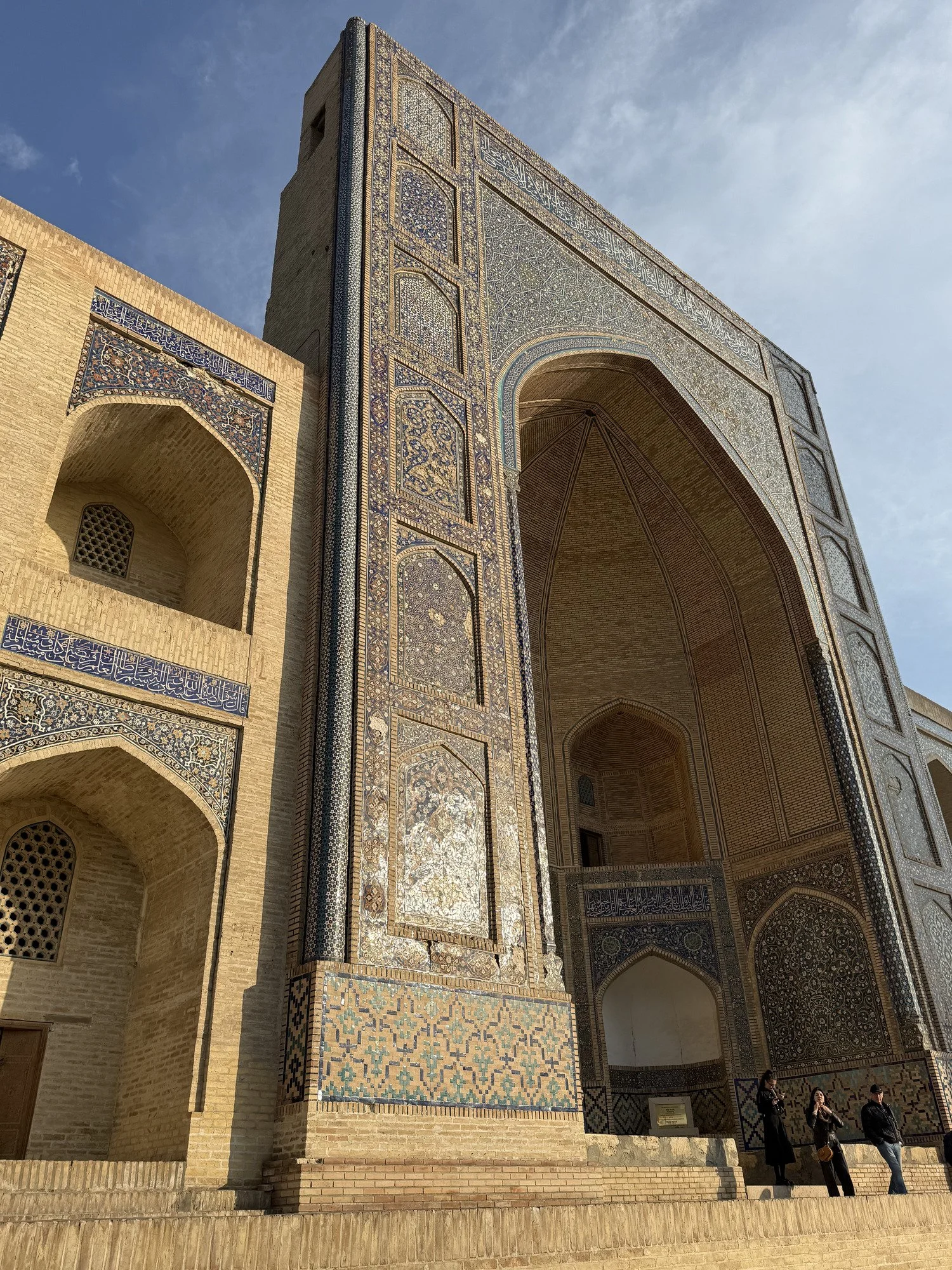
A madrasah in Uzbekistan | Photo by Carys Chua
Right now, her tours cover Kazakhstan, Kyrgyzstan, and Uzbekistan. These are private tours that can start on different dates, so travellers don’t have to join a fixed group. She hopes to add Tajikistan and Turkmenistan in the future, but for now, she’s focusing on the three countries she already offers.
When I asked if she might expand to more familiar destinations, her answer said more about her business than any talk about market gaps.
“If it’s other countries, I will never set up this company.”
That’s the part of Carys’ story I find most interesting.
She didn’t set out to become a travel entrepreneur and then look for a place to sell tours.
She fell in love with a place first, and the business came later.
The way we choose to see a place
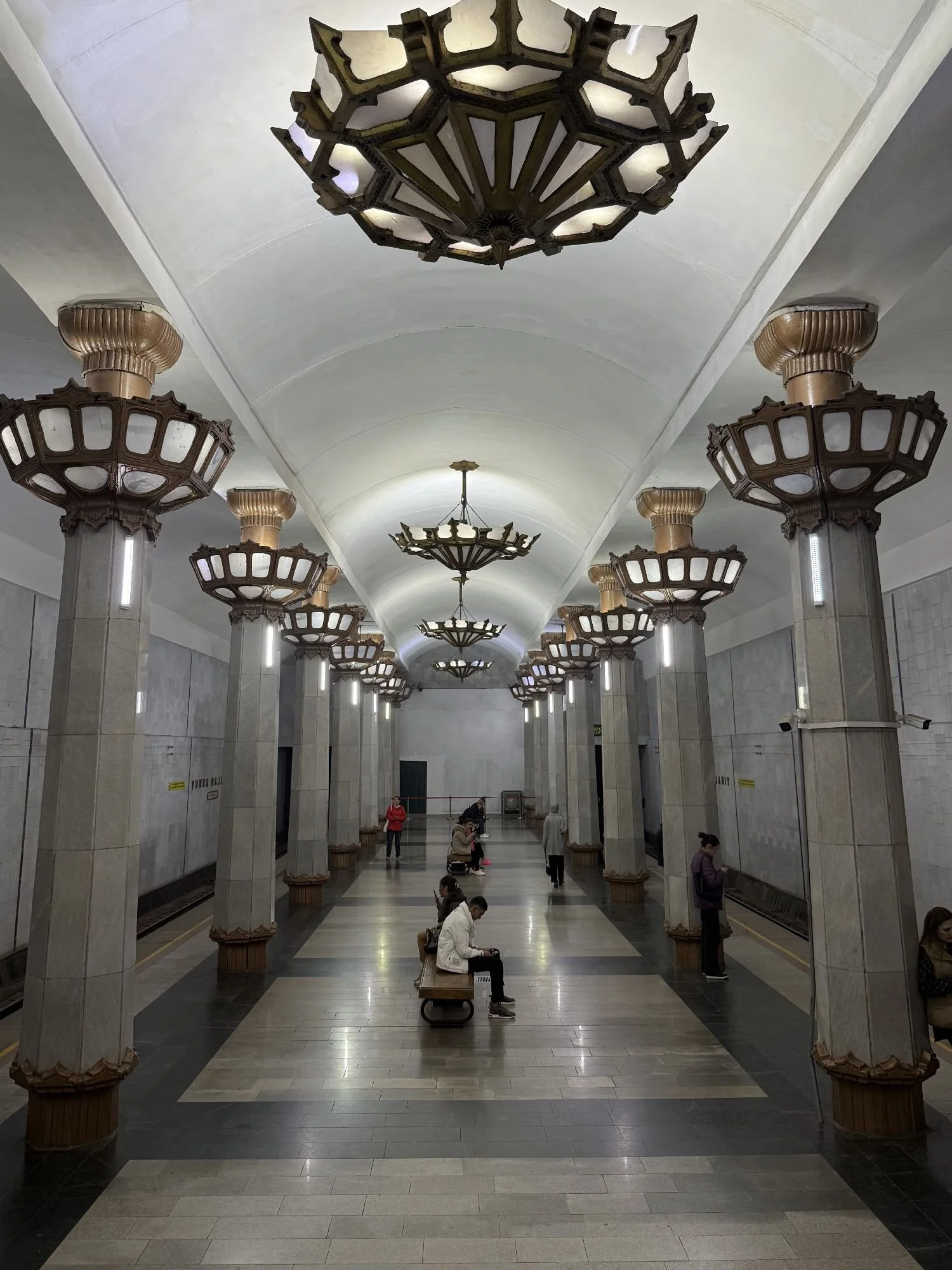
Train station in Uzbekistan | Photo by Carys Chua
I don’t think I’m suddenly going to become Carys. I don’t think I ever can. That girl is unique.
After a long day in a new place, I like knowing I can go back to my hotel room and have a familiar bowl of noodle soup – especially when I’m travelling in Western countries where spicy food can be harder to find.
But perhaps that’s also why I’ve always enjoyed Carys’ travel stories so much.
She experiences places differently than I do.
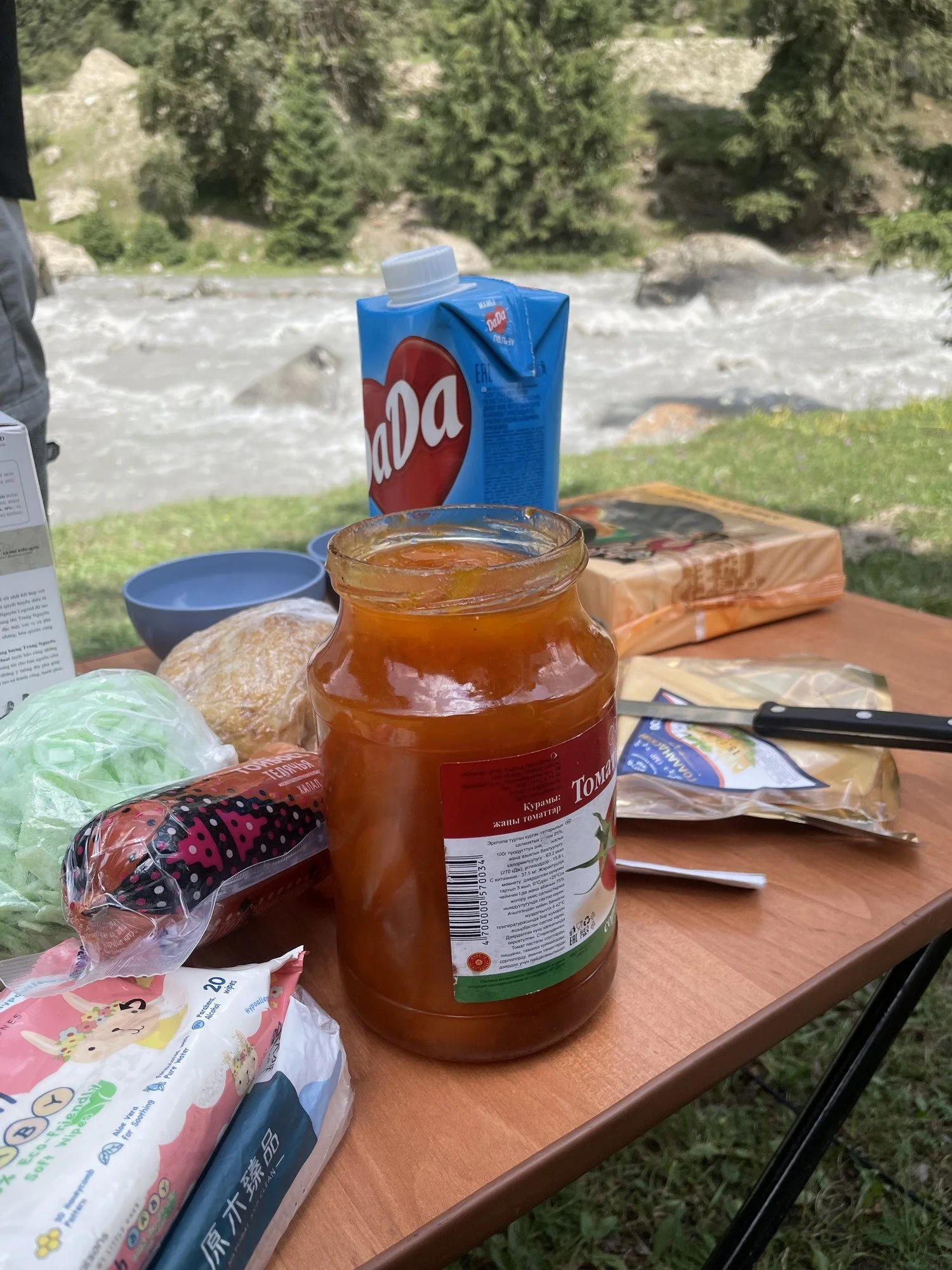
Homemade apricot jam from locals | Photo by Carys Chua
Some travellers want to see the landmarks. Others look for the best restaurants. Some plan every hour, while others want five-star hotels.
Then there are people like Carys, who are curious about what lies beyond the places most visitors see.
She’ll eat whatever is available, go further, talk to the locals, and accept the jar of homemade apricot jam.
And sometimes, one of those places stays with her long after she’s home.
